
Massachusetts Window Installation: 2026 Comparison Guide

The newest window isn’t always the right replacement. The best choice depends on what’s already in your home: a sound frame may suit an insert replacement, while rot or a change in window size may call for a full-frame approach. The right window installation Massachusetts homeowners choose starts with the condition of the opening, not just the style on display.
It’s worth weighing how a window will look alongside how it performs through cold winters, humid summers, and changing weather. But comparing frame materials, glazing, and installation methods can quickly feel complex, especially if removing an old frame reveals damage or a need for additional work.
This guide compares popular window styles and materials, explains how glazing choices and insert versus full-frame installation differ, and shows how to assess those options for a Massachusetts home. You’ll also learn what to record about existing windows and project goals before planning a replacement. Remod Group provides window and door installation as part of residential remodeling and exterior construction projects, with the work planned around the home and the project scope.
Table of Contents
Window Installation in Massachusetts: When Is Replacement Worth Considering?
Massachusetts Window Installation Methods: Insert or Full-Frame?
Compare Window Options for Massachusetts Homes: Materials, Glass, and Style
Planning Window Installation in Massachusetts: A Homeowner’s Decision Checklist
Window Installation with Remod Group: From Home Assessment to Finished Project
Window Installation in Massachusetts: When Is Replacement Worth Considering?
A draft near the sash, a window that sticks, or condensation that keeps returning are reasons to take a closer look, not proof that the window has failed or that every window in the house needs replacing. For window installation massachusetts homeowners should start by assessing each opening and defining what they want to improve. Then they can weigh whether repair or replacement better fits the window’s condition and the project goals.
Local conditions can shape that assessment. A home in MetroWest may experience cold winter weather, summer humidity, wind, and different sun exposure on different sides of the house. How a window performs depends on its location, age, condition, and surrounding construction, so a single recommendation won’t fit every Massachusetts home.
What window problems can signal a larger project?
Look for visible frame deterioration, seals that appear damaged, or operating problems that persist during ordinary use. Note where and when you see each issue. Condensation on the room-side glass differs from moisture between panes. Either observation can help guide an assessment, but neither establishes the cause on its own. For a general overview of types of windows and their components, including frames and glazing, see the linked reference.
Check the area around the window, too. Stained or deteriorated trim, gaps, or changes in nearby wall surfaces may affect the project scope. The window may be only one part of what needs attention, particularly if the visible concern extends beyond the frame. Recording these details helps clarify what to consider before choosing a solution.
Repair or replacement: what should homeowners compare?
Compare the window’s condition and function with your goals. Is the concern limited to one sash, or do several windows show similar issues? Are you mainly seeking easier operation, a refreshed appearance, reduced maintenance, or improved energy performance? Consider visible damage and whether the surrounding frame and trim appear suitable to retain. These questions can help distinguish a focused repair from a project that may involve replacing one or more complete windows.
A sticking sash or draft near one opening doesn’t automatically mean the whole house needs new windows. The cause may involve the window, its fit, or nearby components, so assess the opening rather than assuming the solution. Repeated concerns across several openings may warrant planning a wider project instead of treating each symptom in isolation.
Before making a decision, list the affected windows, note when symptoms occur, and write down what you want to improve. This gives the project a practical starting point and keeps the focus on function as well as appearance. If you’re considering replacement, the condition around each opening can also help define the installation scope.
A symptom is a reason to assess a window, not proof that replacement is necessary. Weigh condition, function, visible damage, and project goals together.
Massachusetts Window Installation Methods: Insert or Full-Frame?
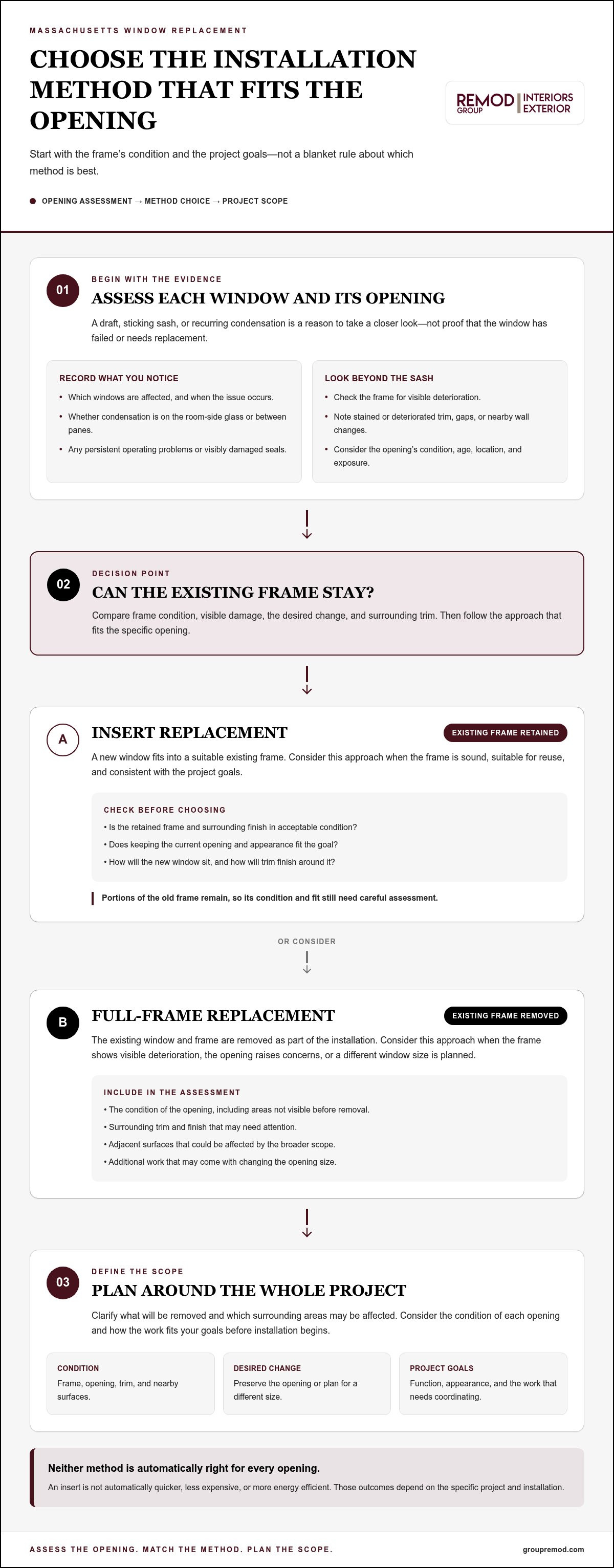
Choosing a replacement window is only part of the decision. The installation method determines how much of the existing assembly stays in place, what areas may need finish work, and how the opening’s condition is addressed. For window installation massachusetts homeowners should compare an insert approach with a full-frame replacement based on the specific window and project, not on a blanket rule about which method is best.
An insert replacement fits a new window into a suitable existing frame. A full-frame replacement removes the existing window and frame as part of the installation. The approaches differ in scope, but neither is automatically right for every opening. Frame condition, visible damage, desired changes, and surrounding trim all matter.
When might an insert installation suit the existing opening?
An insert may suit an opening when the existing frame is sound, suitable for reuse, and consistent with the project goals. Because portions of the old frame remain, consider how the new window will sit within the assembly and how the trim will finish around it. The approach may preserve some existing details, but the frame’s condition and fit still need careful assessment.
Before choosing an insert, consider whether the retained frame and surrounding finish are in acceptable condition. If your goal is to preserve the current opening and its appearance, retaining the frame may be relevant. That doesn’t mean an insert is always quicker, less expensive, or more energy efficient. Those outcomes depend on the specific project and installation.
When should a full-frame approach be considered?
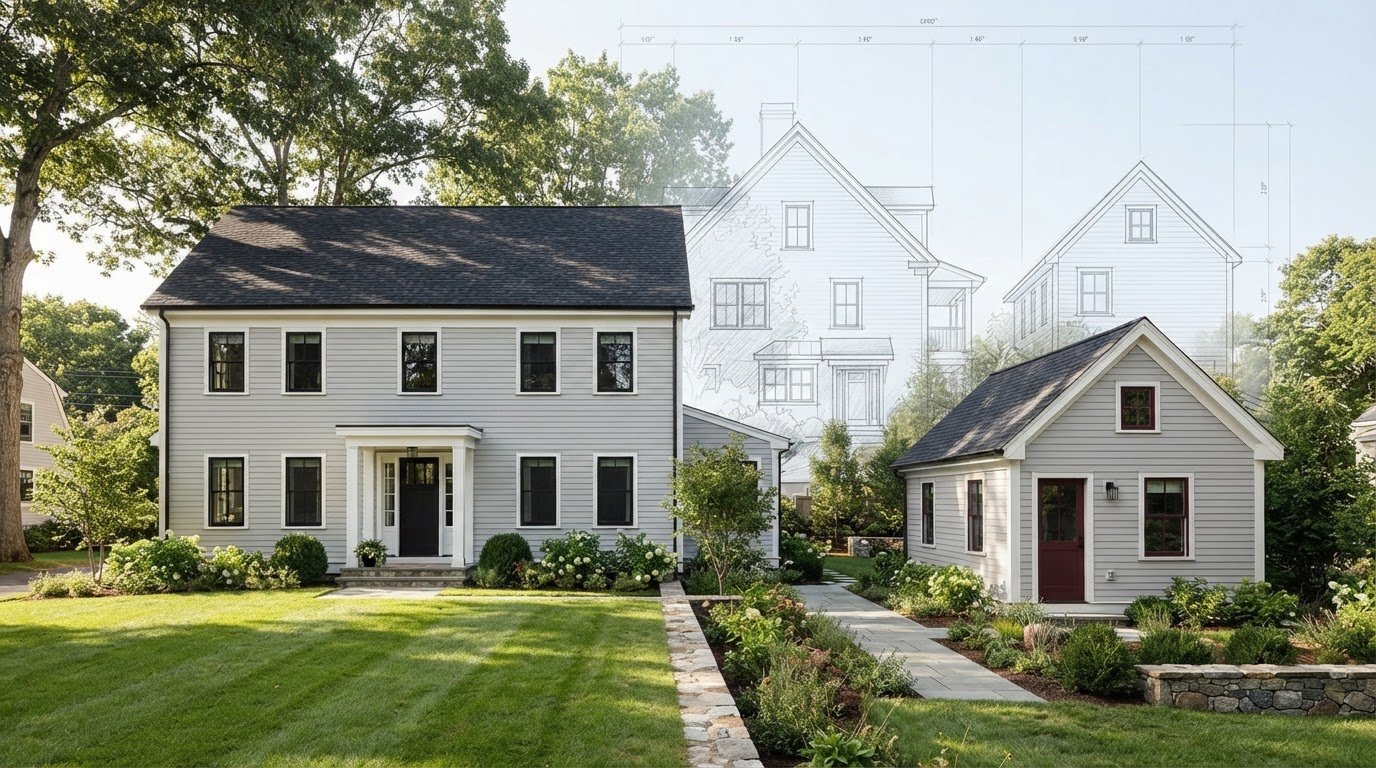
A full-frame approach deserves consideration when the existing frame shows visible deterioration or there are concerns about the opening around it. Removing the frame broadens the installation scope and brings surrounding trim and finish conditions into the plan. It may also suit a project that calls for a different window size, since changing the opening can involve additional work.
Clarify what will be removed and which adjacent surfaces may be affected. In older homes, the visible window may not show the full condition of the opening. Assessing the area helps define the project before installation begins. A broader scope isn’t automatically necessary, but it is worth considering when the frame itself is part of the concern.
A suitable, sound frame may support an insert; visible deterioration or concerns around the opening can make full-frame replacement worth assessing. This distinction is a starting point, not a diagnosis. The right method depends on frame condition, the desired result, and the finish work involved.
For a practical comparison, note each frame’s condition, whether existing trim should remain, and whether the opening or window size is expected to change. If window work is part of a broader remodeling plan, Remod Group’s window and door installation can be planned alongside related exterior work where it fits the project. The aim is to choose a method that suits the home, rather than assume one approach works for every opening.
Compare Window Options for Massachusetts Homes: Materials, Glass, and Style
A window combines a frame, glazing, and operating style. Each choice affects appearance and day-to-day use, so compare the components together rather than choosing by one feature alone. For window installation massachusetts homeowners should also consider where each window faces, how much sun it receives, and the role it plays in the room.
How do frame materials differ in everyday use?
Vinyl, wood, and fiberglass are common frame categories. Their suitability depends on the home’s appearance, maintenance preferences, and project requirements. Rather than assuming one material is best, compare its finish and upkeep with the house and your plans.
Vinyl: Often considered by homeowners looking for a straightforward, low-maintenance frame option. Compare available colors and profiles with the home’s exterior and interior finishes.
Wood: Offers a traditional appearance that may suit older or architecturally detailed homes. Include the care needed to maintain the finish in your long-term comparison.
Fiberglass: Compare its appearance, finish choices, and care requirements with other frame categories. Product details vary, so use documented specifications rather than relying on the material name alone.
For a MetroWest home, a homeowner updating several openings may prioritize a consistent exterior appearance, while someone replacing one prominent window may focus on how the frame complements the room. Ask what routine care each option calls for and consider how it will look beside existing trim and siding.
Which glass ratings and window styles deserve attention?
Glass ratings make comparisons more precise. The National Fenestration Rating Council (NFRC) label reports performance information, including U-factor and solar heat gain coefficient (SHGC). U-factor describes how readily heat transfers through a window; a lower value indicates less heat transfer. SHGC describes how much solar heat passes through the glazing. A lower SHGC allows less solar heat in, which may matter for a sunny exposure. Other orientations and goals may call for a different balance.
Use NFRC labels to compare documented ratings across options, and consult current ENERGY STAR guidance for the relevant climate zone. Criteria can vary by zone and change over time, so compare current product information rather than relying on a general claim that a window is “energy efficient.” Ratings are useful evidence, not a guarantee of a particular comfort or energy-bill outcome.
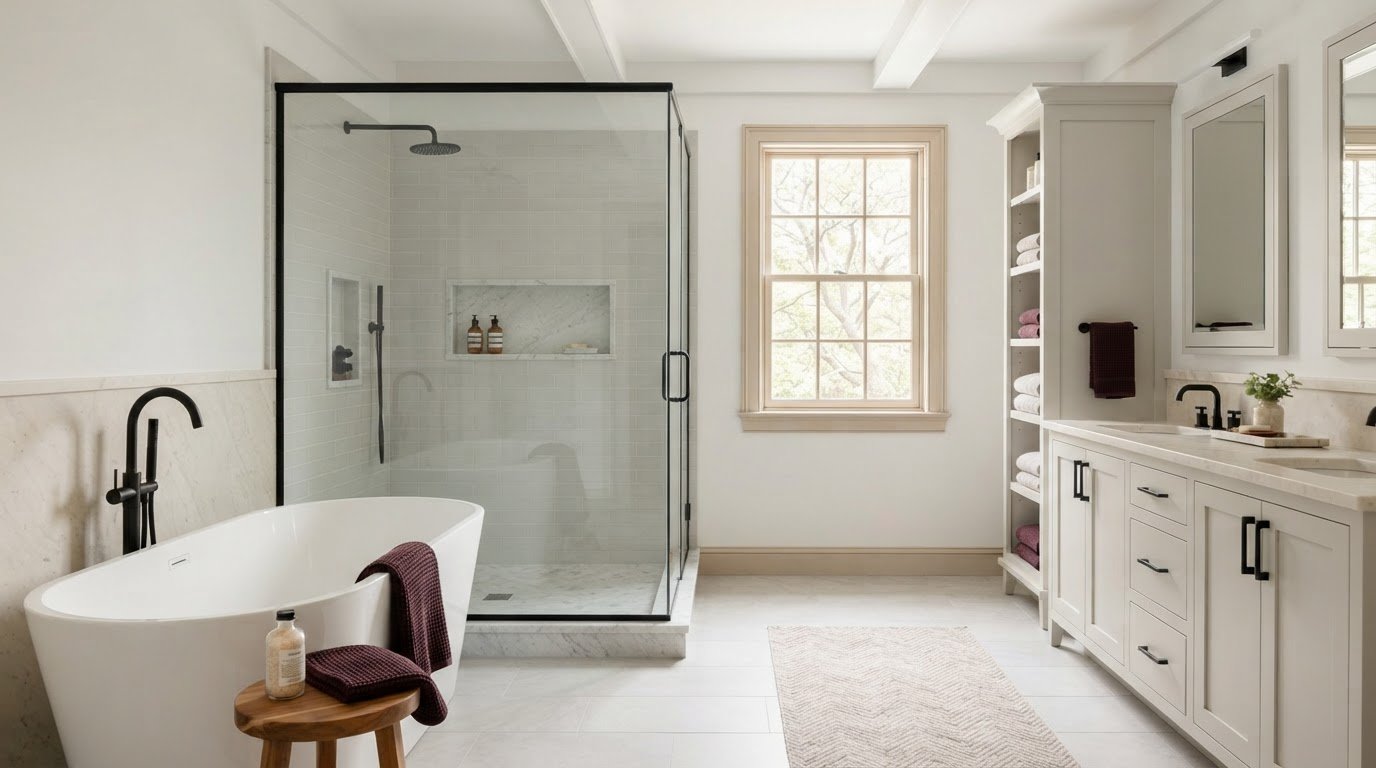
Style affects function as well as appearance. Double-hung windows have two movable sashes, offering flexibility in how the opening is used. Casement windows open on a hinge, while picture windows are fixed and don’t open for ventilation. Consider the existing opening, desired airflow, view, and ease of operation. A window that suits one room may not suit another.
Build a side-by-side comparison of frame material and care, NFRC ratings, operating style, and fit with the home’s appearance. This gives you a clearer basis for choosing windows that work together across the project.
Planning Window Installation in Massachusetts: A Homeowner’s Decision Checklist
A well-planned project starts with clear observations, defined priorities, and a realistic understanding of the home. For window installation massachusetts homeowners can follow a simple sequence: document what’s happening, decide what they want to improve, compare suitable options, and clarify the work each opening may require.
What information should you gather before planning?
Start with the rooms and windows affected. Note what you’ve observed, what you hope to change, and any details that may shape the project. Photos can capture visible conditions and provide a useful reference as you compare openings.
Record locations: List each affected room and identify the window by its position, such as a bedroom facing the street or a kitchen window over the sink.
Describe concerns: Note drafts, condensation, frame condition, or operating issues, including when they occur and whether they seem seasonal.
Define goals: Prioritize comfort, easier operation, appearance, maintenance, energy performance, or a combination of these outcomes.
Capture context: Photograph the window, trim, and nearby wall surfaces. Record the home’s age if known, since existing construction and finish details can affect the project scope.
Compare options against those priorities. A window on a sunny side of the house may raise different considerations from one that receives less direct sun. Room use and opening condition matter, too. The window and door installation guide offers broader context for planning an exterior opening project.
How should Massachusetts weather and local rules shape planning?
Consider how each window is exposed to cold-season conditions, wind, and rain. Orientation, nearby trees or buildings, and room use can all affect what you prioritize. Instead of assuming every Massachusetts home has the same exposure, compare the actual locations. Note whether an opening faces prevailing weather or receives strong afternoon sun, then use that information when reviewing window and glass options.
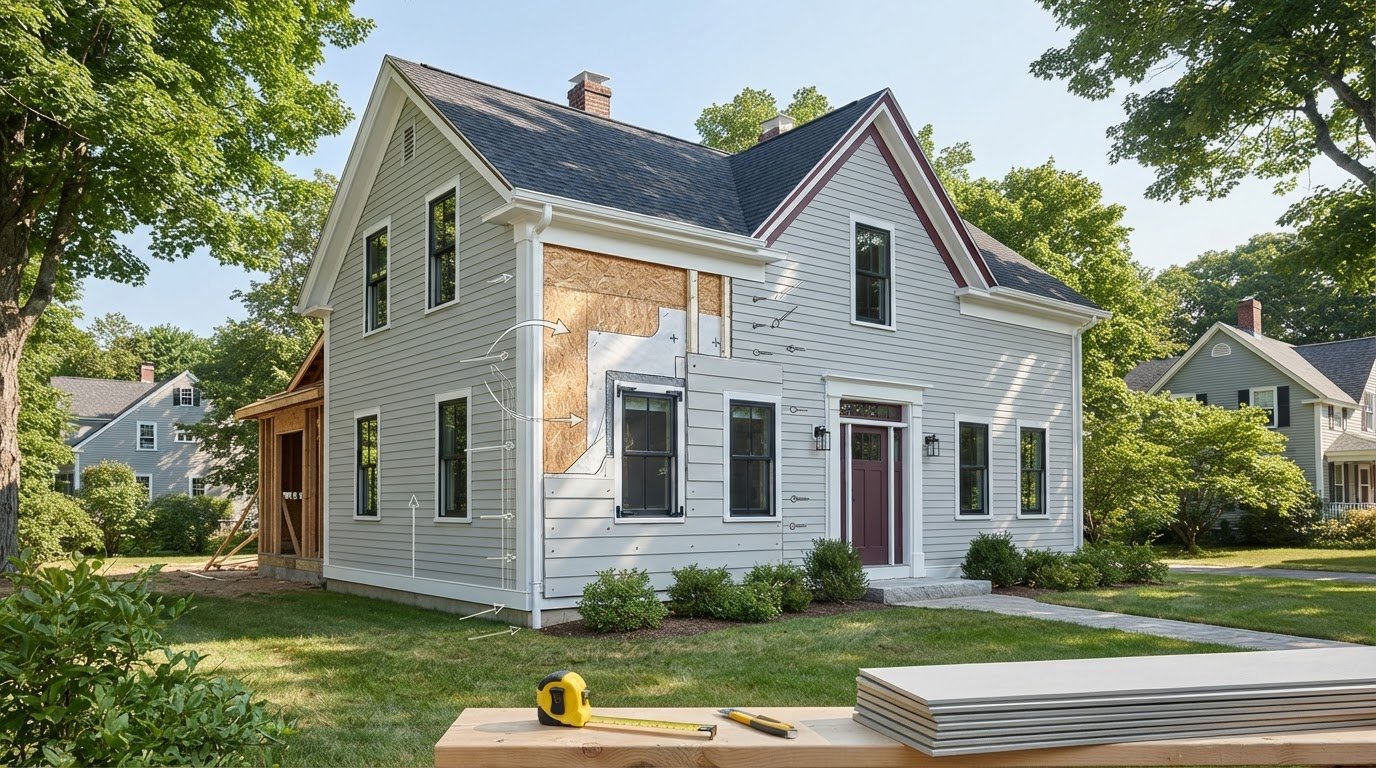
Clarify the installation scope as well. A project that changes a window’s size or involves other exterior elements may require a broader plan than a straightforward replacement. If siding is also part of the work, the Massachusetts siding installation guide can help frame those related considerations.
Permit requirements can vary by municipality and project details. Check the applicable requirements with your local building department before planning work. Don’t assume a statewide rule applies to every town or type of replacement.
With your notes and priorities in hand, shape a project scope around the home’s actual condition. Plan your window installation project with Remod Group as part of a considered remodeling approach.
Window Installation with Remod Group: From Home Assessment to Finished Project
Window replacement is a meaningful home improvement project, especially when several openings or related exterior elements are involved. Remod Group provides residential window and door installation as part of its remodeling work. The company serves homeowners in Hudson, Natick, Sudbury, Waltham, Ashland, Hopkinton, Bolton, Northborough, Southborough, Westford, Stow, Maynard, Wayland, Concord, Weston, Wellesley, Sherborn, Acton, Boxborough, Berlin, Shrewsbury, Boylston, Newton, Needham, Dedham, and Dover. Planning starts with the home and the homeowner’s priorities, not a preset solution.
For window installation massachusetts homeowners may be weighing comfort, appearance, operation, or energy performance. A useful project plan connects those goals to the window condition and the work that fits the property. This keeps the focus on a coordinated improvement rather than treating each opening as an isolated task.
How does window work fit into a broader home project?
Window installation can be considered alongside other exterior remodeling goals when the work overlaps. For example, if you’re already planning exterior updates, coordinating the scope can account for how windows relate to surrounding finishes. The right sequence and scope depend on the home and the work involved, so planning should include all relevant improvements.
Roof work may also be relevant when a broader exterior project includes both windows and roofing. In that case, the Massachusetts roofing contractor guide provides related planning context. Consider connected work where it applies, without expanding a window project unnecessarily.
What should homeowners expect from a project discussion?
Bring a clear description of the home, the affected windows, the concerns you’ve noticed, and the improvements you have in mind. Photos and notes about when issues occur can make the discussion more specific. Sharing whether the project involves one opening, several windows, or related exterior work helps define the intended scope.
A focused discussion can address the home’s condition, your priorities, and the installation work being considered. You don’t need to arrive with every product decision made. A considered plan takes shape by identifying what matters most and how the requested work fits the property.
Remod Group provides window and door installation as part of substantial residential remodeling, with broader exterior work included when it serves the project. If you’re planning an upgrade in MetroWest or a nearby Massachusetts community, Plan your Massachusetts window project with Remod Group.
Turn Your Window Plans Into a Clear Next Step
A window project doesn’t have to begin with every choice settled. Start by identifying how you want your home to feel and function, then develop a plan that respects the character of the house. Thoughtful window installation massachusetts homeowners choose is grounded in the specific home, not a one-size-fits-all formula.
Keep your priorities close as you move forward: the spaces you want to improve, the details you want to preserve, and the changes that matter most to daily life. Those intentions can shape the project and turn a broad idea into a considered direction for your home.
Remod Group includes window and door installation in its residential remodeling and exterior construction work. For homeowners in MetroWest and nearby Massachusetts communities, the next step is to define your home’s needs and the scope you have in mind.
Plan your Massachusetts window project with Remod Group and take the next step toward a more cohesive home improvement project.
Frequently Asked Questions
How much does window installation cost in Massachusetts?
There isn’t one standard estimate for window installation massachusetts homeowners can apply to every project. The scope of work, window choice, condition of each opening, and number of windows all affect the project estimate. Before planning, list the openings you want addressed and note any visible damage or finish work that may be involved. This gives the project discussion a clearer starting point than comparing a single per-window figure.
Do I need a permit to replace windows in Massachusetts?
Permit requirements can depend on your municipality and the scope of work. Replacing a window without changing the opening may be treated differently from altering its size or surrounding structure, but requirements vary. Check the current rules with your town’s building department before work is planned. If the project involves changes to the opening, describe that scope when looking up the applicable requirements.
Is it better to replace all windows at once or one at a time?
Neither approach is best for every home. Consider which windows are in the poorest condition, which rooms matter most to your goals, and how the project fits your plans for the property. You might prioritize windows in rooms with persistent functional concerns and plan other openings later. A whole-home approach may suit a broader renovation, but the decision should reflect your priorities and the condition of the windows.
What is the difference between insert and full-frame window replacement?
An insert replacement fits a new window into a suitable existing frame, leaving that frame in place. A full-frame replacement removes the existing frame as part of the work, so surrounding trim and finishes may also affect the scope. The condition of the opening helps guide the choice. If you’re considering changing the window size, that goal may also influence which approach is appropriate.
Are energy-efficient windows worth considering in Massachusetts?
They’re worth comparing if comfort or energy performance is one of your project goals. Product labels can help you evaluate documented ratings, but the right choice also depends on existing windows, room use, sun exposure, and the improvement you want. Don’t assume a rating guarantees a particular bill reduction. If incentives affect your decision, verify current Mass Save eligibility and requirements through the program before relying on them.
When is the best time of year for window installation in Massachusetts?
There isn’t one best season for every window project. Scheduling depends on the home’s condition, the work involved, weather, and the installation plan. If you’re planning around a renovation or other exterior work, consider how the window project fits into that schedule. Discussing seasonal exposure and the intended scope early can help shape a practical plan without assuming installation is limited to a particular time of year.
How can I tell whether a window needs replacement or just repair?
Drafts, operating problems, visible damage, or recurring condensation are reasons to assess a window, not conclusive proof that it needs replacement. Record which windows are affected and when the issue appears. Note the frame, trim, and nearby wall condition, too, since the window may not be the only part relevant to the concern. Base the project decision on the full opening and your goals, not one symptom alone.
Comments