
Questions to Ask a Remodeling Contractor: A 2026 Homeowner Checklist

Updated: Oct 19
A polished portfolio can show what a contractor has built. The right questions reveal how they’ll plan and manage the work in your home. If you’re preparing for a consultation, the questions to ask a remodeling contractor should go beyond style and first impressions. Ask how the proposed scope will be defined, who will communicate with you, how decisions and changes will be documented, and what happens if work uncovers an unexpected condition.
Before committing to a kitchen, bathroom, deck, or exterior renovation, get clear on how the project could affect daily life at home. This checklist helps you prepare for a useful conversation and compare project fit. It covers proposals, scheduling, communication, unexpected discoveries, and Massachusetts-specific considerations, so you can turn an initial vision into a shared, workable plan.
Table of Contents
Start with the right questions to ask a remodeling contractor about project fit
Ask how the remodeling contractor will define scope, team, and responsibilities
Compare remodeling proposals by asking about schedule, budget, and changes
Use Massachusetts-specific questions to plan a smoother remodeling project
Turn your contractor questions into a confident next step with Remod Group
Start with the right questions to ask a remodeling contractor about project fit
A focused first conversation can show whether a contractor’s experience and approach fit your home and goals. The best questions to ask a remodeling contractor explore more than the finished look. They help you understand how the project will be scoped, organized, and carried out.
A useful consultation brings your goals, the proposed work, and the project process into the same conversation. Use this checklist to guide it:
Experience: What comparable projects have you completed, and what made them similar?
Scope: Which rooms, surfaces, or structural elements are included?
Team: Who will manage the work and coordinate the people involved?
Communication: How will you receive updates and record decisions?
Schedule: What phases and dependencies will shape the sequence of work?
Changes: How will new selections or unexpected conditions be documented and approved?
Does the contractor handle a project like yours?
Start by describing what you want your home to do better, then explain the project’s scale. A kitchen remodel may involve improving the way the room functions, while a bathroom renovation may update the space as a whole. A deck or exterior project can involve connected choices about the home’s structure, appearance, and use. Ask about projects with similar goals and scope, not just the same room or feature. Relevant experience can help show familiarity with the planning and installation decisions your project may involve.
Notice whether the conversation gets specific. Does the contractor ask about your property, priorities, and definition of success? A useful response connects past work to your goals and explains the relevant similarities, rather than relying on a broad claim or a list of project types.
What should a project portfolio help you understand?
A portfolio is more useful when you look beyond attractive photographs. Consider the visible finish quality and how the space changed from its original condition. Then ask what makes an example relevant to your home: Was it similar in scale? Did it address goals you share? Which planning or installation decisions shaped the result? These questions help you assess project fit rather than judging appearance alone.
For a broader view of how exterior work can come together across a home, explore this Massachusetts full home exterior renovation guide. It can help you frame questions about how roofing, siding, windows, and doors relate to an overall exterior project.
Clarify who will lead the work and how responsibilities are organized. A contractor’s role can include coordinating different parts of a project; this overview of General contractor responsibilities provides broader context. Ask how that coordination applies to your proposed scope. A strong fit starts with clear, shared expectations, not simply an impressive gallery.
Ask how the remodeling contractor will define scope, team, and responsibilities
A shared understanding of the work is the foundation of a well-planned remodel. A clear scope connects your goals to specific tasks, decisions, and responsibilities, giving everyone a reference as the project moves forward. Ask for the proposed work and important assumptions to be recorded in project documents rather than left to verbal shorthand.
The questions to ask a remodeling contractor should distinguish what’s included from what still needs a decision. Discuss:
Work included: Which tasks, rooms, and areas are part of the project?
Selections: Which materials or finishes need to be chosen, and at what point?
Homeowner decisions: What choices, access, or preparation will you need to provide?
Responsibilities: Who coordinates the work, shares updates, and answers questions?
Open items: Which assumptions, exclusions, or unresolved details will be written down?
Which work and decisions belong in the project scope?
Ask for a practical description of the intended work, including material selections, access needs, and decisions that remain yours. In a kitchen remodel, for example, the plan may depend on choices about cabinetry, counters, or fixtures. In a bathroom renovation, finish selections can affect what needs to be specified before work proceeds. For outdoor hardscaping, guides from Bayside Pavers show how decisions like jointing materials and walkway details must be accounted for early. You don’t have to make every choice immediately. You do need to know which choices are pending and how they relate to the project plan.
Review written exclusions and assumptions as carefully as the included work. If a task is outside the scope or depends on a future selection, make sure that is visible in the project documents. Clear wording reduces the chance that two people interpret the same conversation differently and gives everyone a reference as details develop.
Who coordinates the team and project communication?
Find out who your primary contact will be, how updates will be shared, and where questions or decisions should be recorded. If multiple trades or specialists contribute—such as coordinating structural and electrical preparation with residential lift providers like Altitude Lifts—ask how their responsibilities and work are coordinated. You should understand who communicates the sequence and how you’ll be told when one task depends on another. Clear roles make it easier to raise questions early and connect decisions to the project plan.
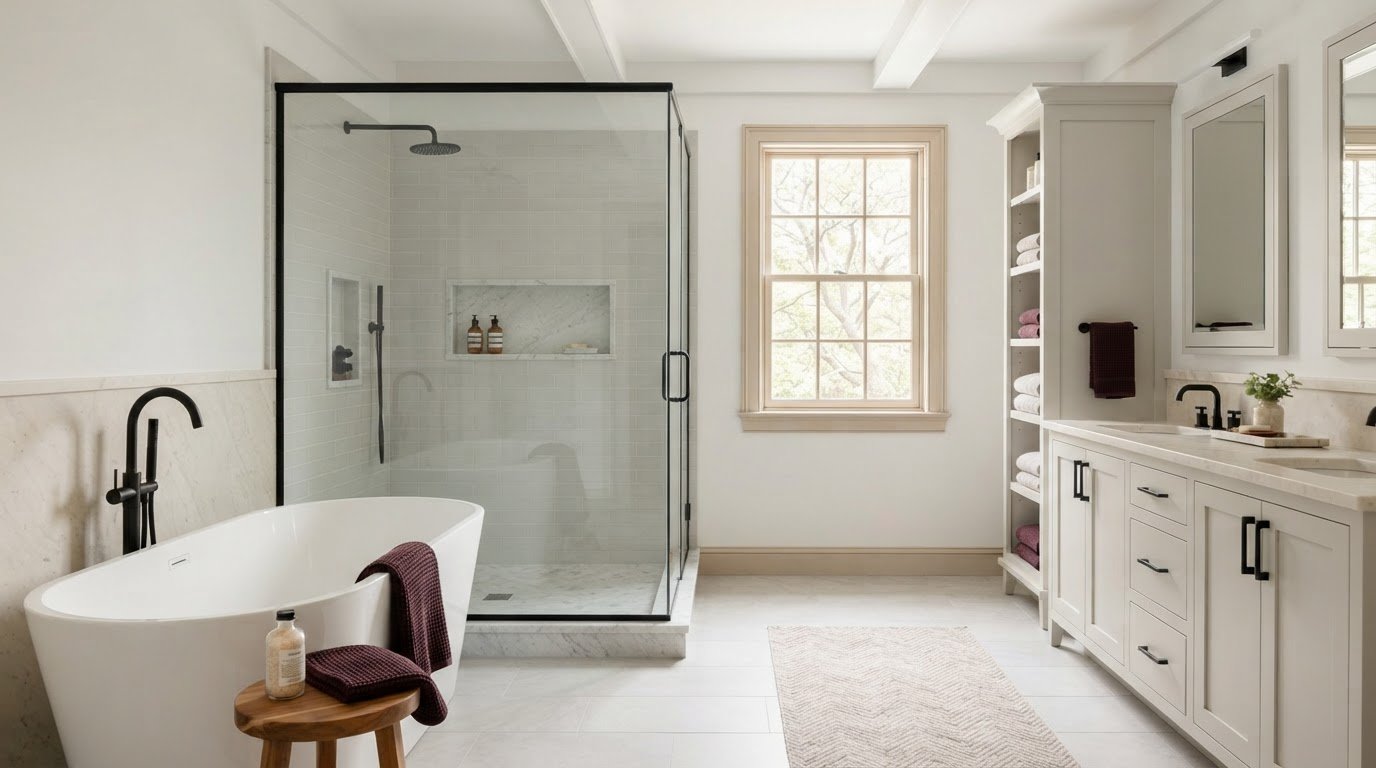
A bathroom remodel can involve many types of work and finish decisions, so it’s especially important to understand how coordination will be handled. This bathroom remodeling guide for Massachusetts homeowners offers a relevant example of the considerations involved in a major interior renovation. For your own project, ask how the scope and responsibilities will be captured in writing.
Before moving ahead, note anything in the project documents that remains open: a selection, an exclusion, a responsibility, or a communication step. Bringing these points into the conversation turns broad expectations into a more useful working plan. For Massachusetts homeowners considering substantial kitchen, bathroom, deck, or exterior work, Remod Group’s remodeling services provide a starting point for discussing project goals and scope.
Compare remodeling proposals by asking about schedule, budget, and changes
A proposal is more than a figure on a page. It should help you understand what the work includes, what assumptions the plan relies on, and how the project may unfold. To compare options fairly, line up the written details instead of relying on a summary or first impression. The questions to ask a remodeling contractor should help you spot differences before you commit.
Review each proposal for:
Scope: Which tasks, rooms, and areas are included?
Selections and allowances: What is defined, and what remains open?
Assumptions and exclusions: Which conditions or tasks fall outside the described work?
Schedule approach: Which phases and dependencies shape the sequence?
Change procedure: How will adjustments be described, reviewed, and approved?
What should a clear proposal make easy to compare?
Set proposals side by side and compare the same details, not just their overall presentation. One proposal may name specific selections while another leaves them open. One may include a task another lists as an exclusion. Those differences can make proposals look similar while describing different work. Ask how allowances are defined and which homeowner decisions or responsibilities affect the plan. Write down unresolved choices and how they’ll be settled.
Keep assumptions visible as you compare. If an item is unclear, record the question and request a written explanation or revision so the documents reflect a shared understanding. This matters when a selection could affect other work, or when a proposal describes an outcome without spelling out the tasks needed to achieve it.
How will schedule shifts and unexpected conditions be handled?
A useful schedule discussion explains the project phases, dependencies, and decisions that could affect progress. Ask how the team will communicate a sequencing change, what information you’ll receive, and whether your selections could affect the next phase. Concealed conditions may become visible only after renovation work begins, so clarify how new findings will be documented and discussed before the plan changes.
For a proposed change, ask for a written description of what is changing and how it affects the scope, schedule, and budget before approving it. Keep the request, response, and decision with your project records. This gives you time to understand the trade-offs, ask follow-up questions, and make an informed choice instead of relying on a rushed verbal exchange.
Let your priorities guide the comparison. If long-term function or resale appeal matters to you, weigh those goals alongside finish preferences and the work each proposal describes. The guide to increasing home value with remodeling can help frame that discussion. For Massachusetts homeowners planning a kitchen, bathroom, deck, or exterior project, Remod Group’s remodeling services are a place to explore project possibilities.
Use Massachusetts-specific questions to plan a smoother remodeling project
A useful project conversation accounts for the home as it is, the work you want done, and the community where the property is located. Municipal requirements can differ in Massachusetts, and what applies depends on the project’s scope. Ask how local considerations will be identified rather than assuming every kitchen, bathroom, deck, or exterior project follows the same process.
Prepare in sequence:
Identify your goals. Define what needs to function or look different, then separate essentials from optional refinements.
Gather property details. Bring photos, known constraints, and relevant information about previous work or areas of concern.
Discuss local requirements. Clarify who will identify applicable permits, inspections, and municipal requirements for the proposed work.
Record decisions. Keep questions, answers, and agreed next steps together so details are easy to revisit.
What local requirements should the project conversation clarify?
Ask how the project team will determine which requirements apply to your property and scope, and who will coordinate related permit or inspection steps. Don’t assume guidance for one municipality or type of work automatically applies elsewhere. Homeowners can also consult current information from official Massachusetts sources and their local building department. This is particularly useful when the project involves structural changes or combines several types of work, because applicable requirements depend on the details.
Keep the discussion specific: identify the proposed work, the municipality, and any questions that still need an authoritative answer. A concrete question is more useful than a general rule of thumb. It also helps distinguish settled project decisions from items that need review before plans advance.
How can homeowners prepare for a Massachusetts project discussion?
Bring clear reference material. Photos of the space, notes about what isn’t working, examples of the intended result, and known property constraints give the conversation a practical starting point. Separate essential outcomes from preferences. For a bathroom, an essential might be improving how the room serves your household; for a deck, it might be creating a more usable connection to the home. A prioritized list helps keep decisions aligned with what matters most.
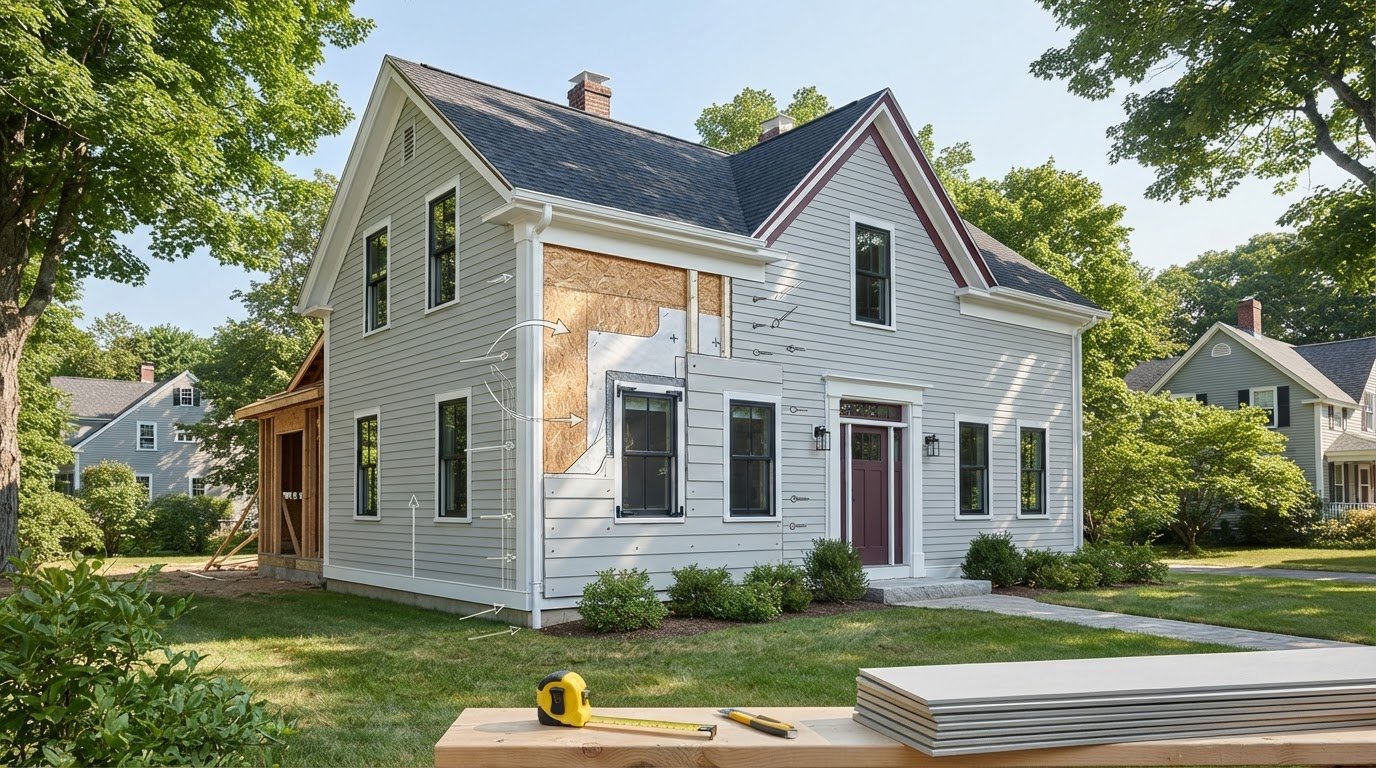
For exterior work, discuss exposure, seasonal sequencing, and how work will be coordinated around an occupied home. New England conditions can affect planning, but the right sequence depends on the project and property. Avoid treating a particular season as a universal start or finish date. Homeowners in MetroWest and across Massachusetts can use these details to make the conversation more relevant to their setting.
Before the meeting ends, summarize what’s known, what remains open, and who will follow up on each item. That record helps keep local requirements and project priorities connected as planning develops. If you’re preparing for a Massachusetts kitchen, bathroom, deck, or exterior remodel, discuss your project with Remod Group.
Turn your contractor questions into a confident next step with Remod Group
A thoughtful consultation turns preparation into direction. The questions to ask a remodeling contractor are most useful when they help you align five essentials: your goals, the work involved, who is responsible, how communication will work, and what needs to happen next. With those points in view, you can move from ideas toward a project conversation grounded in your home and priorities.
Remod Group handles full-scale kitchen and bathroom remodeling, deck construction, and exterior projects that include roofing, siding, and window and door installation. Each type of project brings different planning choices. A kitchen or bathroom remodel may involve coordinating construction with material and finish selections. A deck or exterior project may focus on how the home’s outdoor spaces, surfaces, or openings should function and look. Start with the outcome you want, then discuss the work that can support it.
How Remod Group’s project categories fit the checklist
For an interior remodel, describe what you want the room to do better and which improvements matter most. This gives the conversation a clear basis for discussing scope, selections, and construction responsibilities. For a deck or exterior project, explain your goals for the home’s appearance, use, or upkeep, then identify whether roofing, siding, windows, or doors are part of the planned work. A focused discussion connects individual choices to the larger project rather than treating them as isolated details.
As planning develops, keep the same core questions in view: What is included? Which decisions remain? Who will coordinate the work and communicate updates? What are the next steps? The answers give you a practical framework for understanding how a proposed project relates to your goals, without assuming every home or remodel follows an identical process.
What to bring to an initial remodeling conversation
A little preparation can make the discussion more useful. Bring a short description of the project, your household’s priorities, and the functional improvements you hope to achieve. Photos of the existing space, examples that illustrate your preferred direction, and known property constraints can help explain what you have in mind. You don’t need every finish selected; identify what matters and what is still open for discussion.
Project goals: Describe what you want to change and why.
Household priorities: Note the needs the finished space should support.
Reference material: Gather relevant photos or examples of the intended look or function.
Property context: Share known constraints and questions about the home.
Open decisions: Identify selections or details you’re ready to discuss further.
These notes keep the conversation anchored in your needs while leaving room to explore the right scope and next steps. Remod Group works with homeowners in Hudson, Natick, Sudbury, Waltham, Ashland, Hopkinton, Bolton, Northborough, Southborough, Westford, Stow, Maynard, Wayland, Concord, Weston, Wellesley, Sherborn, Acton, Boxborough, Berlin, Shrewsbury, Boylston, Newton, Needham, Dedham, and Dover. If you’re planning a kitchen, bathroom, deck, or exterior remodel in Massachusetts, discuss your remodeling project with Remod Group.
Let your next conversation shape the project ahead
A remodel begins to take shape when your priorities become a clear, shared direction. Use the questions to ask a remodeling contractor as a starting point, then bring your own perspective: what you want to improve, what matters most to your household, and what you still need to understand. You don’t need every detail decided before the first discussion. A focused conversation can turn early ideas into informed next steps.
For Massachusetts homeowners considering residential remodeling or exterior construction, Remod Group can discuss how your goals connect to a project plan. Whether you’re considering changes inside your home or improvements to its exterior, bring your questions and the details that will help frame the conversation.
Discuss your remodeling project with Remod Group and take the next step toward a home that better reflects the way you want to live. Your vision is a strong place to begin.
Frequently Asked Questions
What are the most important questions to ask a remodeling contractor before hiring?
Ask how the contractor would approach your specific project, who will be your main point of contact, and how decisions or questions will be recorded. The questions to ask a remodeling contractor should also clarify what the proposed work covers and what remains undecided. For example, ask how a late material selection could affect the next phase. Clear, project-specific answers are more useful than broad assurances.
How many remodeling contractors should I speak with before choosing one?
There’s no required number. Speak with enough contractors to make a considered choice without turning the process into a collection of mismatched estimates. Give each the same project description, priorities, and available property information, then compare how they interpret your needs. If one proposal differs substantially from another, ask for clarification about the scope or assumptions before drawing conclusions. The goal is an informed comparison, not a particular count.
What should a remodeling contractor’s written proposal include?
A useful proposal should describe the work, defined materials or selections, items still open, exclusions, and responsibilities assigned to you and the project team. It should also explain how the schedule is organized and how proposed changes will be handled. If fixture selections are pending, for example, the documents should show that clearly rather than implying a specific choice is settled. Review the written terms before agreeing to proceed.
Should a remodeling contractor provide a fixed project timeline?
A contractor should discuss a schedule, but a fixed completion date may not be meaningful until the scope, selections, and dependencies are understood. Ask about the anticipated phases and what must happen before each can begin. Find out how updates will be communicated if a decision or newly discovered condition affects the sequence. A useful schedule helps you understand progress and changes rather than offering certainty without context.
Who is responsible for permits during a home remodeling project in Massachusetts?
Responsibility depends on the project, municipality, and agreement, so don’t assume one arrangement applies to every Massachusetts remodel. Clarify who will identify applicable permits and inspections, who will coordinate submissions, and how approvals are reflected in the work plan. For a home in Hudson, Natick, or another Massachusetts community, consult the relevant municipal building department for current local guidance. Keep the agreed responsibilities in your project documents.
What should I do if unexpected damage is found during remodeling?
Ask the project team to explain what was found, where it is, and whether it affects the planned work. Request documentation, such as photos and a written description, along with an explanation of the options and any proposed scope, schedule, or budget adjustments. Don’t treat a verbal update as approval to proceed with changed work. Review the proposed change and its implications, then document your decision before the plan is revised.
Can I live in my home during a kitchen or bathroom remodel?
Sometimes, but it depends on the work area, household needs, and whether essential facilities or access will be affected. Before work begins, discuss which parts of the home may be unavailable, how the work area will be separated, and what noise or disruption to expect. A kitchen project may require planning for meals, while a bathroom remodel can make access to bathing facilities a key consideration. Discuss practical arrangements for your household.
Comments