
Residential Roofing Contractor in Massachusetts: A Homeowner’s Guide

A durable Massachusetts roof starts with a coordinated plan, not a pile of shingles. Choosing a residential roofing contractor Massachusetts homeowners can trust means looking beyond material names: first determine whether the roof needs a repair or full replacement, then understand exactly what each proposal includes.
It’s reasonable to feel uncertain when estimates describe different materials, removal work, or installation details. In New England, snow, ice, and freeze-thaw cycles also make timing and preparation important parts of a roofing project.
This guide explains how to assess your roof’s needs, compare proposals on a like-for-like basis, and choose a scope and materials suited to your home and local conditions. You’ll also learn what a complete proposal should explain and how to plan for Massachusetts weather as the project moves from assessment to installation.
Table of Contents
Choosing a Residential Roofing Contractor in Massachusetts Starts With the Project
Roof Repair or Replacement? Understand the Scope Before Comparing Contractors
Compare Massachusetts Roofing Proposals by Scope, Materials, and Workmanship
Plan a Massachusetts Roofing Project Around Weather, Access, and Local Requirements
Work With Remod Group on Residential Roofing in Massachusetts
Choosing a Residential Roofing Contractor in Massachusetts Starts With the Project
A roof project is a major decision, and a clearly defined scope makes it easier to understand the work ahead. Before comparing proposals, distinguish among a repair, a replacement, and a new installation. A repair addresses a specific concern, a replacement addresses the existing roof as a system, and a new installation is planned for a home or addition without an existing roof to assess.
A residential roofing contractor evaluates the project and defines work suited to the home’s condition and the homeowner’s goals. This project-first approach gives you a better basis for comparing proposals than material names alone.
How do you know what kind of roofing project to plan?
Start by recording what you observe, not by deciding what the roof needs. Note missing or damaged shingles, signs of a leak, and areas that appear worn. If you know the roof’s age, record it, along with when leaks occurred and whether you’re planning other renovation work. These details can guide an assessment, but no single sign automatically means the roof needs replacement.
A localized concern may call for a different scope than deterioration across a wider area. A useful assessment connects observed conditions to the proposed work and explains why that scope makes sense. An on-site assessment is necessary to determine the condition of a particular roof.
Which Massachusetts home and location details matter?
Before discussing the project, note the roof’s shape, site access, existing roofing material if known, and any leak history. Include your renovation goals, too. If you’re planning other exterior updates, consider how the roof fits into the broader sequence of work.
For example, a home in Hudson, Natick, or Waltham may have a different roof layout, access conditions, or project priorities from another home. New England’s seasonal conditions are also relevant when discussing planning and materials. If the roof has asphalt shingles, identifying that material can make the conversation more specific. This overview of asphalt shingles provides background on the roofing type.
Bring your notes to the project discussion. A residential roofing contractor Massachusetts homeowners work with should use the home’s condition, existing roof, and goals to define the proposed scope. That clarity creates a stronger starting point for comparing materials and proposals.
Roof Repair or Replacement? Understand the Scope Before Comparing Contractors
A repair and a replacement address different situations. A single visible concern may be limited, while broader wear may call for a more extensive plan. A roof’s age, one leak, or one damaged area does not, on its own, prove that the entire roof needs replacing. An on-site assessment helps establish the roof’s condition and the scope suited to it.
When might a repair be considered instead of replacement?
Limited, clearly identified damage is a reason to assess whether a targeted repair is feasible. The surrounding roof matters: a repair may suit one area when the rest of the roof remains in appropriate condition, while widespread deterioration could change the recommendation. A remote description or photograph alone can’t settle that question.
For a useful comparison, record where the concern appears and what the assessment finds. Note any leak history and keep written findings with each proposal. Then compare whether each proposed scope addresses the same observed condition. A focused repair and a broader replacement are different projects, so their proposals shouldn’t be treated as equivalent.
What should a replacement assessment explain?
A replacement proposal should make its reasoning and scope understandable. Look for a description of the existing roof’s condition, planned removal or preparation, and installation work. Roof configuration and site access can affect how the project is planned, so the assessment should reflect the actual home rather than rely on a generic description.
A roof replacement recommendation should correspond to documented conditions, not just one symptom or an estimate of the roof’s age. If assessments lead to different scopes, compare the conditions each describes and the work proposed to address them. The National Roofing Contractors Association offers additional roofing resources for homeowners learning about the process.
Before reviewing proposals side by side, ask:
Are the observed concerns described clearly?
Does the proposed repair or replacement address those findings?
Are preparation and installation steps defined for the roof’s layout and site access?
Are differences between proposals explained by distinct findings or scopes?
These questions can make a stressful decision more transparent. Remod Group provides residential roofing as part of its exterior construction work. Homeowners can explore Remod Group’s roofing services while considering a scope grounded in the roof’s condition.
Compare Massachusetts Roofing Proposals by Scope, Materials, and Workmanship
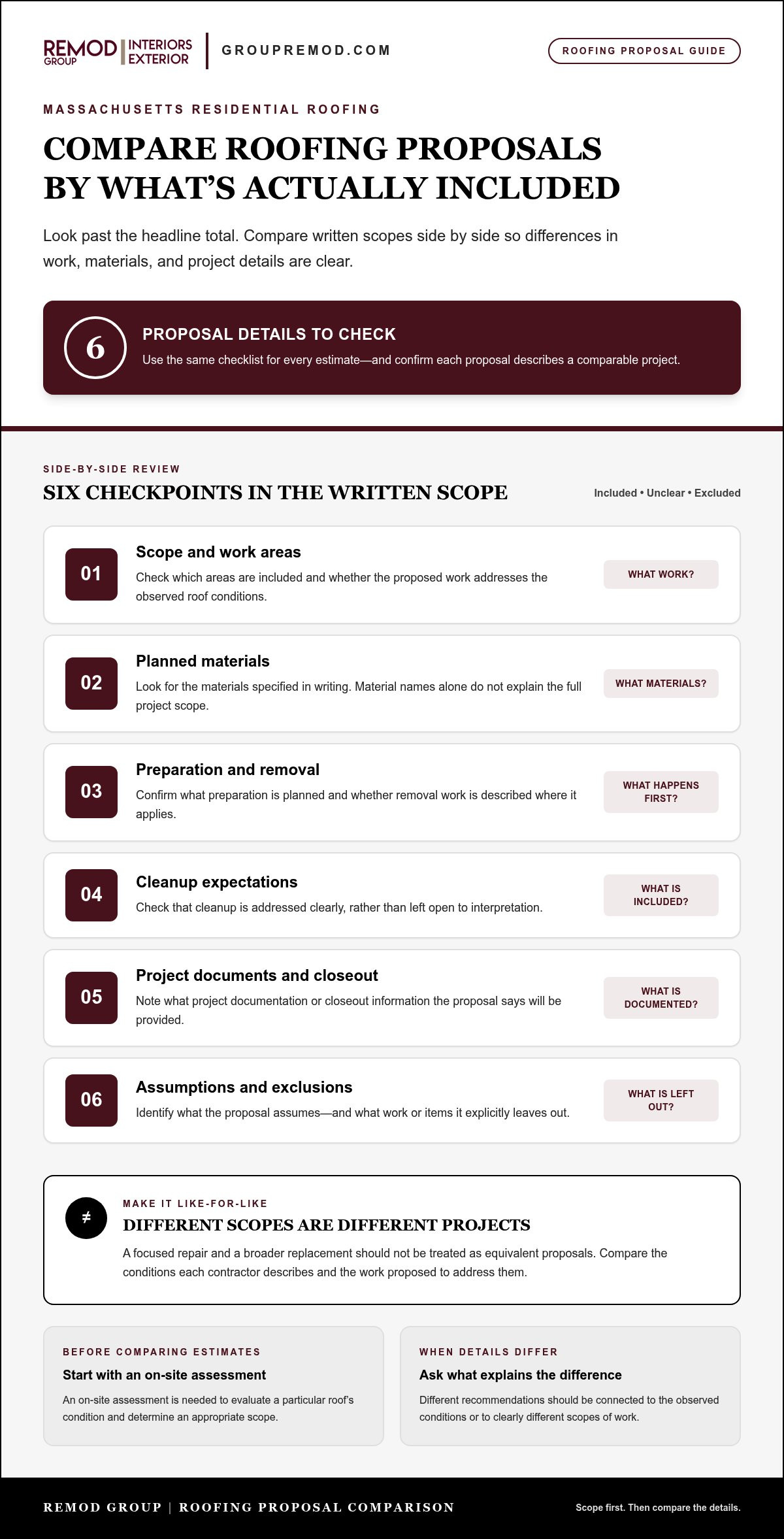
Once you understand the project scope, compare proposals line by line. A headline total can hide important differences: one proposal may describe removal and cleanup in detail, while another leaves those tasks or other work unclear. Proposals are easier to evaluate when they describe comparable scopes in specific, consistent terms.
What should a roofing estimate make clear?
Use a consistent checklist to see what each proposal includes and what it leaves open. The written scope should describe the work areas, planned materials, preparation, cleanup expectations, and any project documents or closeout information. It should also identify assumptions, exclusions, and work that is conditional or may cost extra. Clear descriptions reduce ambiguity and make differences between proposals easier to spot.
How should you assess materials and warranty language?
Material suitability depends on the roof’s design, project conditions, and your priorities for appearance and performance. Compare the material category and stated specifications in each proposal, then check whether the descriptions refer to equivalent options. A residential roofing contractor Massachusetts homeowners consider should include the proposed material in a clearly defined scope, rather than relying on a broad product label alone.
Read warranty language as written. A manufacturer’s product warranty and a contractor’s workmanship terms are separate, and neither should be assumed to apply universally. Coverage, eligibility, and conditions depend on the specific written terms. GAF, for example, describes certification levels that may relate to enhanced warranties for qualifying systems. That manufacturer-specific information isn’t a substitute for reviewing the terms attached to an individual proposal.
Before deciding, mark the differences in scope, materials, preparation, cleanup, and stated exclusions. Compare the work described, not just a headline total that may represent a different project.
Plan a Massachusetts Roofing Project Around Weather, Access, and Local Requirements
Once the scope is clear, plan around the home, the site, and the conditions affecting the work. Massachusetts weather can affect scheduling and the sequence of roofing work, so dates may need to adjust as conditions change. A good plan also accounts for site access and local requirements that apply to the property.
How can homeowners prepare the property for roofing work?
Site preparation should reflect the home’s layout and project scope, rather than follow a one-size-fits-all checklist. Before work begins, discuss where vehicles may be parked, how the driveway and yard will be accessed, whether outdoor items need to be moved, and how household entry and routines may be affected. These details clarify how the work area relates to everyday life.
A residential roofing contractor Massachusetts homeowners work with should account for access and project conditions during planning. A home with limited driveway space may require different arrangements from one with ample access. Don’t assume a standard start date, duration, or level of disruption. These depend on the specific project and conditions.
What local rules and seasonal factors should homeowners consider?
Permit requirements can vary by municipality and project. Verify the applicable requirements with the municipality responsible for the property. Requirements in Hudson, Natick, and Waltham, for example, shouldn’t be assumed to be identical.
Seasonal weather is another planning factor. Conditions can influence when work proceeds and how tasks are sequenced, but they don’t guarantee a delay or a particular outcome. Clear communication helps homeowners understand how the plan may adapt without treating a tentative schedule as fixed.
Use this sequence to organize the project:
Review the scope. Confirm what work is planned and how it relates to the home.
Check local requirements. Verify permit considerations with the municipality responsible for the property.
Discuss scheduling. Account for seasonal conditions and potential changes to the work sequence.
Prepare the site. Coordinate driveway, yard, vehicles, outdoor items, and household access around the planned work.
Review completion. Walk through the agreed scope and discuss any project documentation or remaining items.
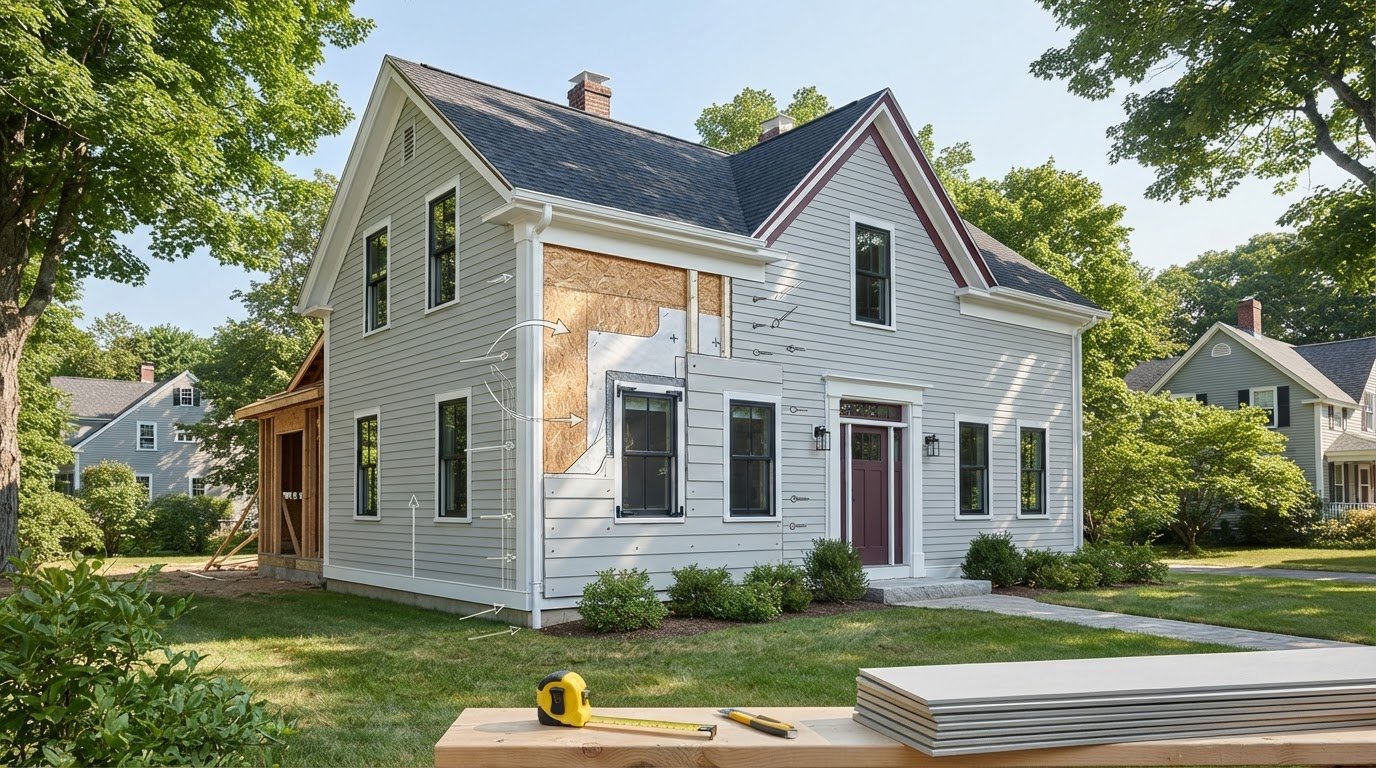
If siding, windows, or doors are also part of your exterior plans, consider their sequence alongside the roofing work to create a more coordinated project plan. Discuss your residential roofing project with Remod Group and start planning around your home’s scope and site conditions.
Work With Remod Group on Residential Roofing in Massachusetts
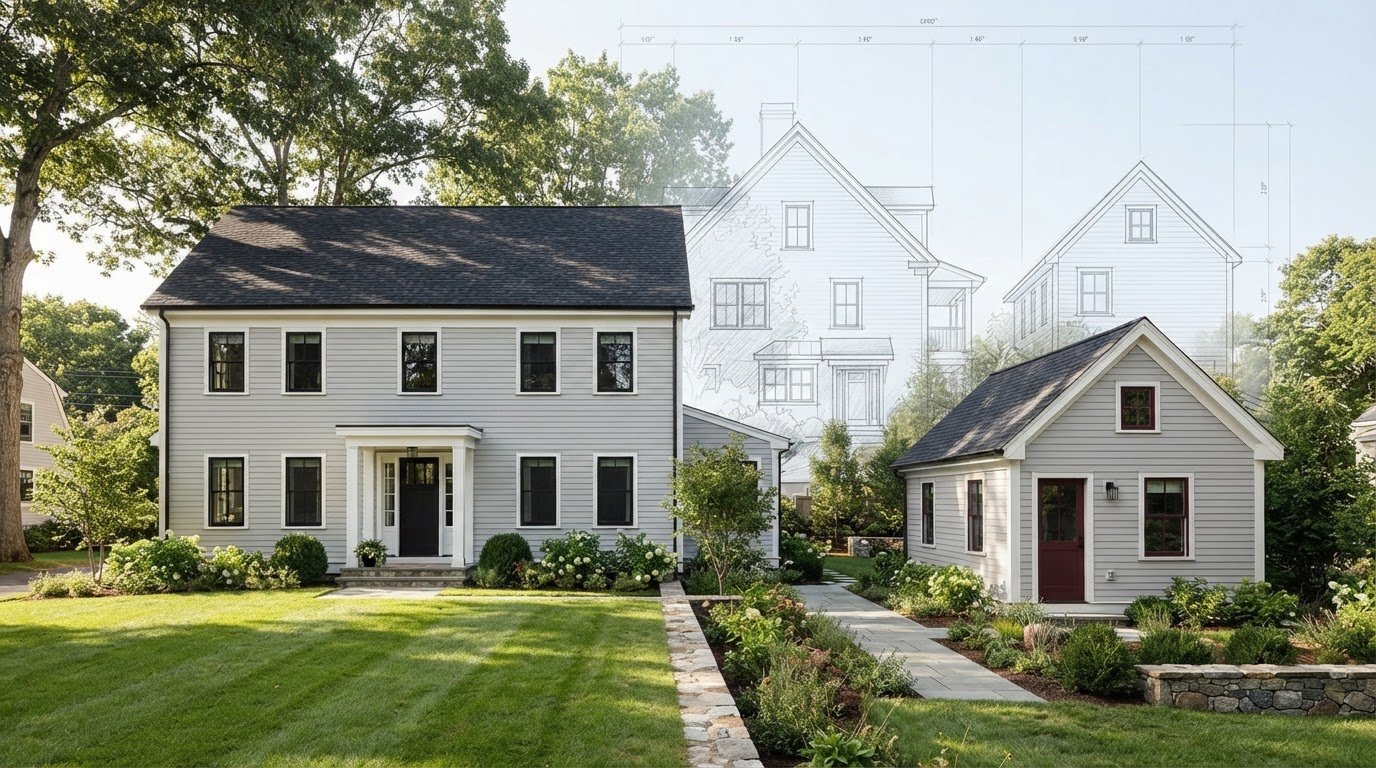
A roofing project can stand on its own or form part of a wider exterior improvement plan. Remod Group provides residential roofing alongside siding, window, and door installation. Considering related priorities while defining the roofing scope can help keep the overall plan clear.
How does a coordinated exterior project benefit homeowners?
If siding, windows, or doors are also on your renovation list, discuss how those goals relate to the roof project. You may want to plan the sequence of exterior work or consider how the home’s overall appearance will come together. These are planning considerations, not automatic additions to the roofing scope.
Start with your priorities. If the roof is your only focus, keep the scope centered there. If other exterior improvements matter, describe them as part of the broader project discussion. Clear boundaries distinguish roofing from separate siding, window, or door work and keep the plan aligned with your goals.
What are the next steps for a Massachusetts roofing project?
Prepare a concise picture of the home and your goals. Share what you’ve observed, such as visible concerns or a known leak history, along with the roof’s age if you know it. Note whether you’re considering a focused repair, a replacement, or a larger exterior update. These details give the project conversation a practical starting point without assuming the final scope in advance.
For homeowners looking for a residential roofing contractor Massachusetts, Remod Group brings roofing into the context of the home’s exterior and the work being considered. Start with a project-focused discussion about the property, your concerns, and the outcome you have in mind. Price and scheduling details depend on the project, so begin with its needs and scope.
Remod Group serves homeowners in Hudson, Natick, Sudbury, Waltham, Ashland, Hopkinton, Bolton, Northborough, Southborough, Westford, Stow, Maynard, Wayland, Concord, Weston, Wellesley, Sherborn, Acton, Boxborough, Berlin, Shrewsbury, Boylston, Newton, Needham, Dedham, and Dover. Discuss your residential roofing project and share what you’re planning for your home.
Move Forward With a Clear Roofing Plan
A successful roof upgrade begins with a well-defined project. Start by understanding the roof’s condition, then compare proposals by scope, materials, preparation, and workmanship terms. Plan for site access, seasonal conditions, and local requirements so the work reflects the needs of your home.
Choosing a residential roofing contractor Massachusetts homeowners can work with is also an opportunity to consider the home’s exterior as a whole. Remod Group provides residential roofing alongside siding, window, and door installation for relevant exterior projects.
Whether you’re weighing a repair or planning a larger upgrade, a clear conversation can turn your concerns and goals into a practical next step. Discuss your Massachusetts roofing project with Remod Group. With a thoughtful scope and coordinated plan, you can move forward with greater confidence.
Frequently Asked Questions
How do I choose a residential roofing contractor in Massachusetts?
Compare project-specific assessments, clearly written scopes, and how each proposal explains materials, preparation, cleanup, and exclusions. For homeowners searching “residential roofing contractor Massachusetts,” look for a proposal that connects recommended work to observed roof conditions, not just a headline total. Massachusetts homeowners should also verify applicable contractor registration and licensing requirements, particularly when structural work is involved.
Should I repair my roof or replace it?
An on-site assessment is the best way to determine whether a repair or replacement suits your roof. Limited damage may suit a targeted repair if the surrounding roof remains in appropriate condition; broader wear may call for a more extensive scope. A single leak, visible defect, or the roof’s age alone doesn’t prove replacement is necessary. Compare documented conditions with the work each proposal recommends.
What should a roofing estimate include?
A useful estimate describes the project scope, material category and stated specifications, preparation, cleanup, and any project documentation. It should also identify assumptions, exclusions, and work considered conditional or additional. Compare proposals on equivalent scopes, not just their totals. If one includes removal and cleanup while another leaves those items unclear, the estimates don’t yet describe the same work. A written scope makes these differences visible.
Do I need a permit to replace a roof in Massachusetts?
Most roof replacements in Massachusetts require a building permit, but requirements can vary by municipality and project. Confirm the applicable rules with the building department or municipality responsible for the property before work begins. Homeowners in Hudson, Natick, Sudbury, or Waltham shouldn’t assume local requirements are identical across towns. Permit details are best checked for the specific address and proposed work.
How long does a residential roof replacement take?
There isn’t one dependable timeline for every roof replacement. The project scope, roof configuration, site access, preparation needs, and weather can all affect scheduling and the sequence of work. In Massachusetts, changing seasonal conditions may require adjustments, but they don’t guarantee a delay. Discuss the project plan and how schedule changes will be communicated, rather than relying on a general duration that may not reflect your home.
What roofing materials work well for Massachusetts homes?
Material suitability depends on the roof’s design, project conditions, and your priorities for appearance and performance. Asphalt shingles are a common residential option; metal, cedar, and slate may also be considered where appropriate for the home and project. Compare material categories and written specifications in proposals, and review warranty terms individually. No material is right for every roof, so evaluate options within the project’s defined scope.
Can roofing work be coordinated with siding or window replacement?
Yes. Roofing can be considered alongside siding, window, or door work when those improvements match your goals for the home. They remain distinct parts of the project, so define which work is included and consider sequencing during planning. Remod Group provides residential roofing alongside siding, window, and door installation, serving Hudson, Natick, Sudbury, Waltham, and surrounding MetroWest communities.
Comments